
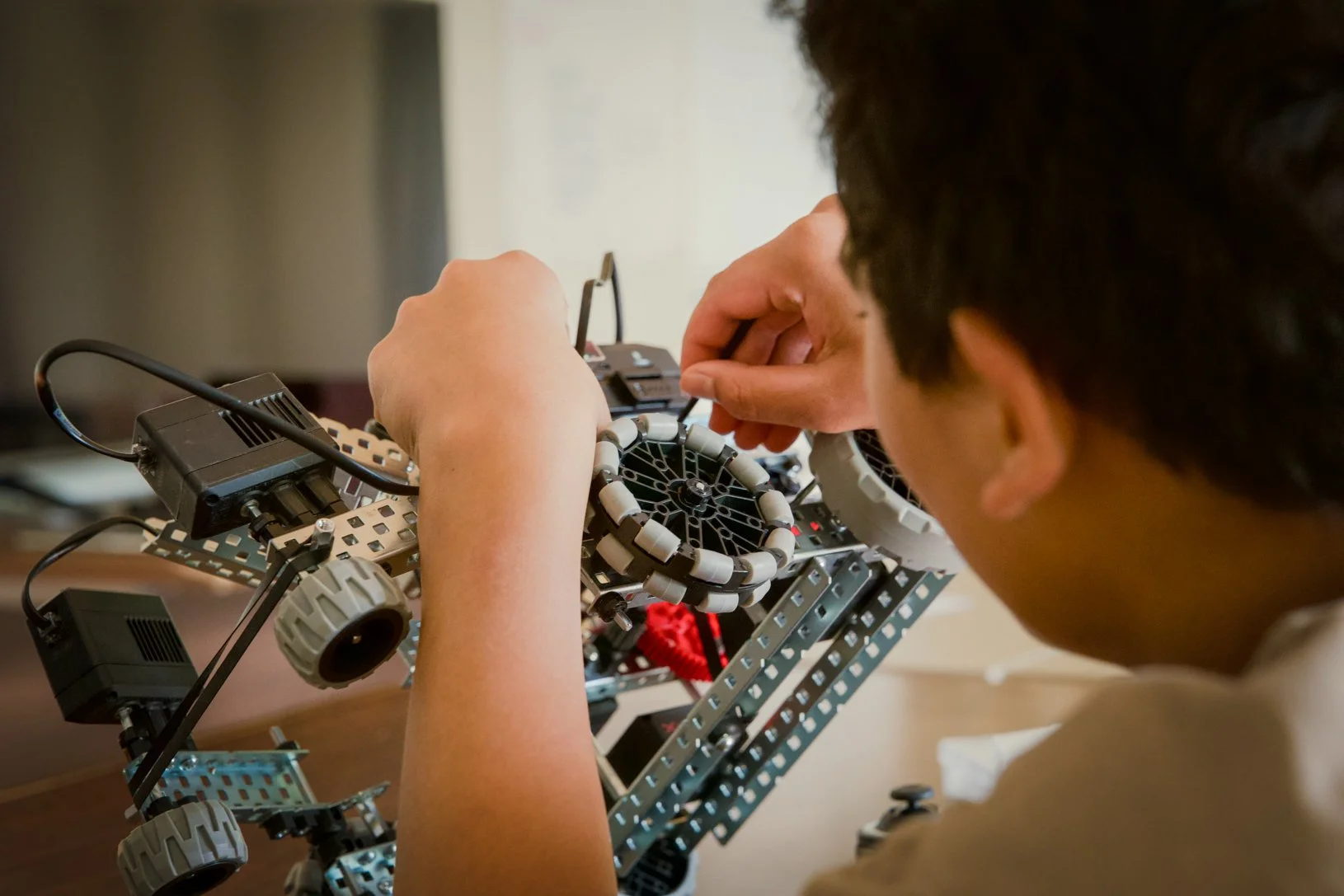
Project-Based Learning
What is Project-Based Learning?
Imagine studying physics purely from a textbook, sitting at a desk. You might force yourself to memorize the key concepts, at least until the test. But what if you were handed a challenge instead: build a rocket that can launch a raw egg into the air and bring it back down unbroken?
Suddenly, those same equations have a purpose. You apply them right away, see what happens, work as a team, and keep improving your design until it flies.
This is project-based learning, and it makes a real difference.
You understand and remember more. Research shows that when learning is tied to emotional and social experiences, like cheering with your teammates when your rocket finally launches, new knowledge is far more likely to stick in long-term memory.
You're more motivated. Working alongside friends, with the freedom to test and refine your own ideas, is how most teenagers learn best. Projects that involve peers and offer real choices keep students engaged from start to finish.
Why is Project-Based Learning Successful?
At HIS, project-based learning is at the heart of how we teach. Here's why:
Greater relevance: Projects connect learning to real-world issues, helping students see that their work matters beyond school. Their interdisciplinary nature mirrors how the world actually works.
Greater motivation: Adolescents are strongly motivated by peers. Team-based projects tap into this social energy while building essential collaboration skills.
Greater partnership: Projects place guides and students on the same team. By tackling meaningful problems and presenting to real audiences, students engage with experts and experience authentic purpose.
Greater novelty: Term-based projects introduce fresh challenges throughout the year, preventing learning from becoming repetitive.
Greater salience: Learning sticks when it’s emotional, social, and connected to life. Projects create memorable arcs of challenge, teamwork, and accomplishment that strengthen long-term retention.
Greater creativity: For guides, projects offer space to innovate and continuously redesign learning around real-world opportunities.
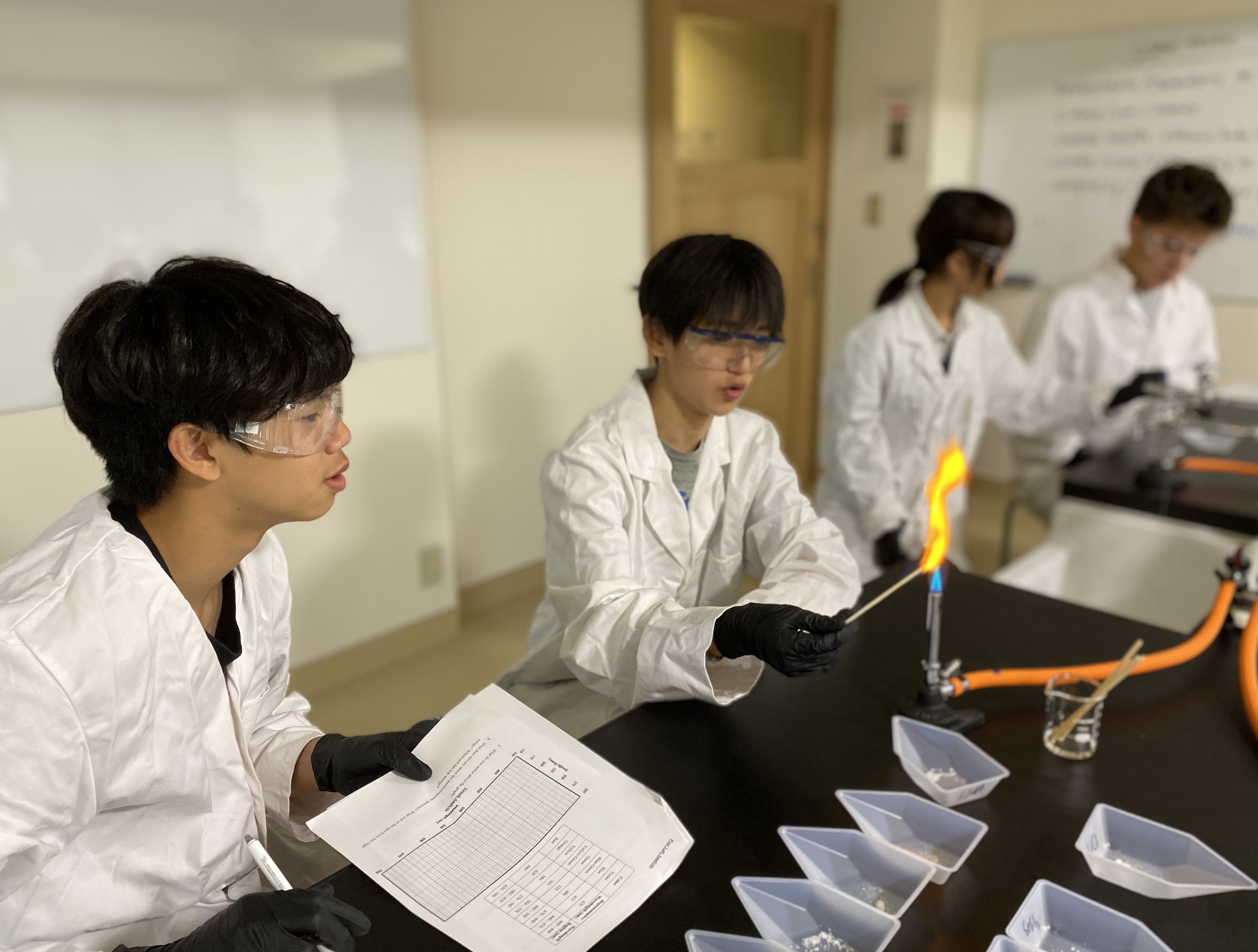

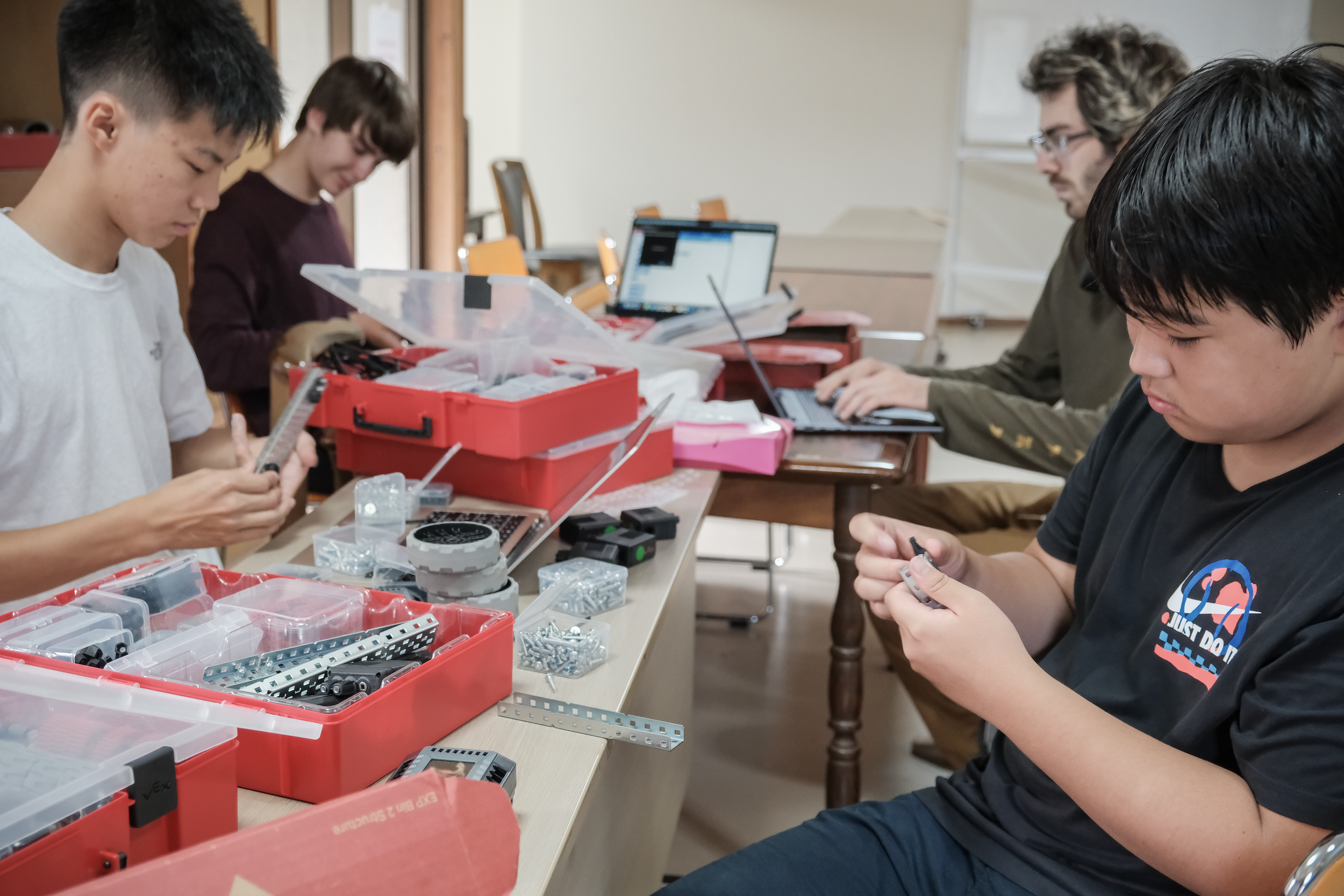
Current Project Requirements
Interdisciplinary Projects with Humanities, the Arts and Science
7th Grade Project: Humanities and MS Science (Science, English/Global Issues, Geography, Systems Thinking) credits
8th Grade Project: Humanities and MS Science (Science, English /Government, Economics, Environmental History) credits
Biology Project (9th & 10th graders only): Biology & Humanities (English/World History) credits
Chemistry Project (Prerequisite: Completed Biology Project): Chemistry & Humanities (English/Civics, Econ, Global Issues) credits
Physics & Alpine Engineering Project (Prerequisite: Completed Biology & Chemistry Project): Physics & English credits
HIS Project Archive
HIS believes in organizing learning around real-world, collaborative projects. We love this approach because it makes academic experiences more engaging and more effective.
2022 - 2025:

How Do We Promote Human Connection?

Could I be an Activist?

How Can We Build a Sustainable School?

What Does Love Feel Like?

How Can We Design a Home for Learning?

Does Technology Make Me Happy?

How Can Information From Today Help Us Make Decisions for the Future?

What Can We Learn from Water?
How Does Our Vision Become Reality?
Who Are We?

How Do We Source Wisdom from Our Community?

What is Success?

How Do We Make Decisions as a Community?
What Indigenous Cultures Can Teach Us?
How Can I Contribute?