Academics
We Learn Differently Here.
Through immersion in diverse, challenging, meaningful, and authentic learning experiences, our students develop their sense of self and build meaningful connections with the natural environment and their communities. Along this journey, HIS students discover their potential, become empowered, and positively impact the world around them.
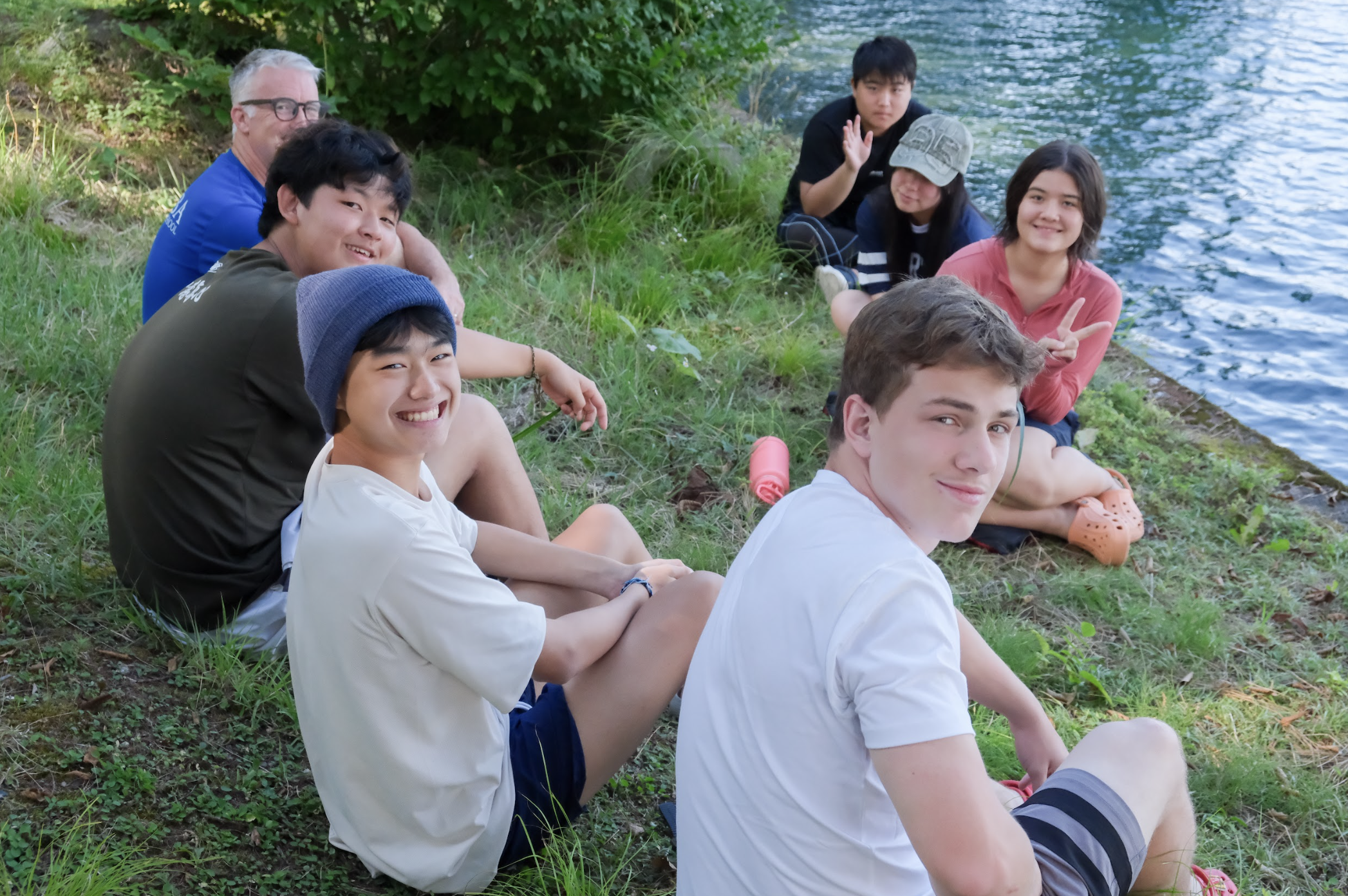
Social Emotional Learning
Social-emotional learning (SEL) helps students develop the skills to understand and manage their emotions, build strong relationships, and navigate challenges. Research shows these essential abilities can be taught and strengthened, supporting success in school and beyond.
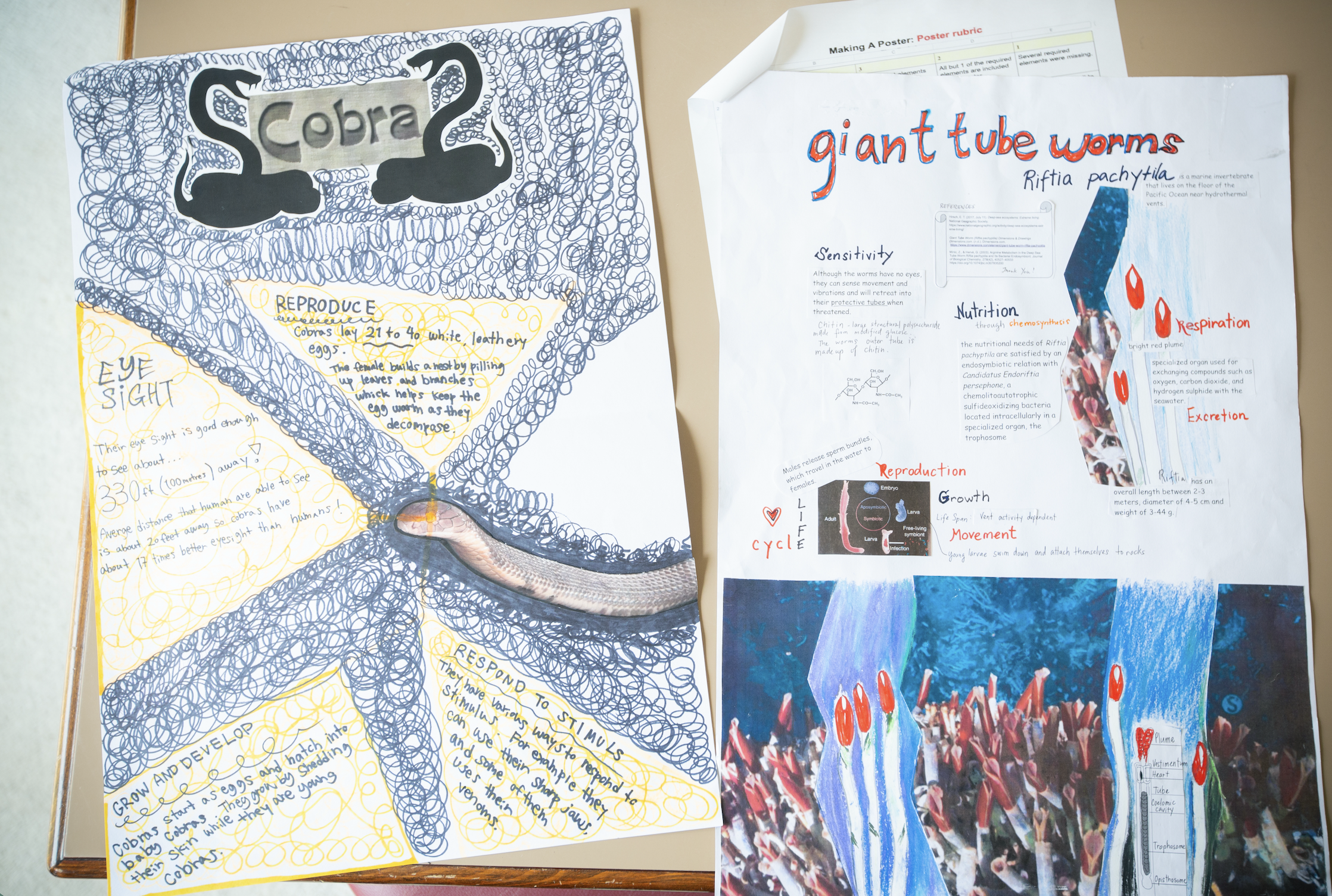
Project-Based Learning
HIS organizes learning around real-world, collaborative projects. Project-based learning makes academic concepts engaging and memorable by giving students opportunities to apply knowledge, work together, and refine their solutions. This hands-on approach strengthens understanding, retention, and motivation.
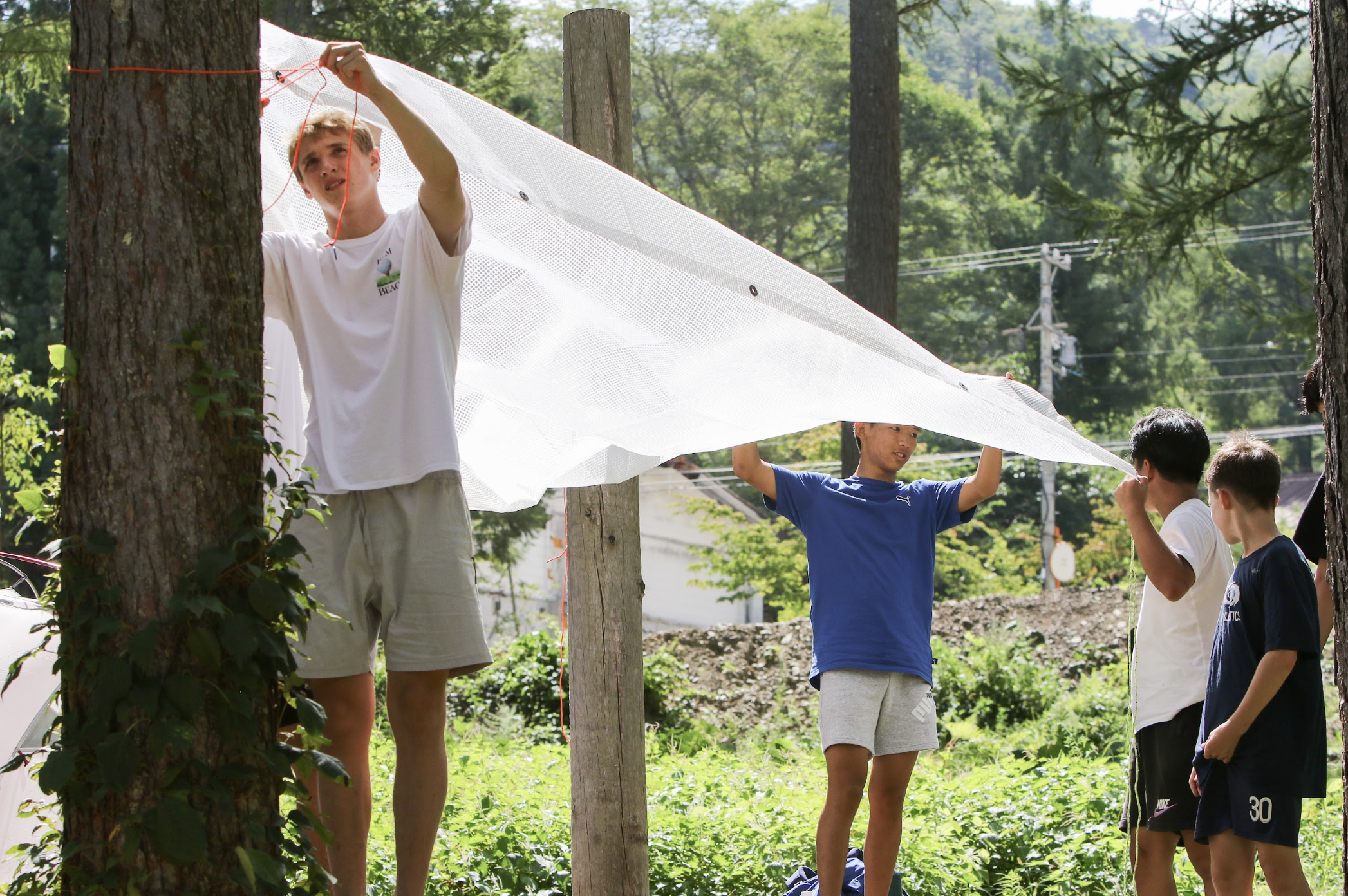
Outdoor Learning
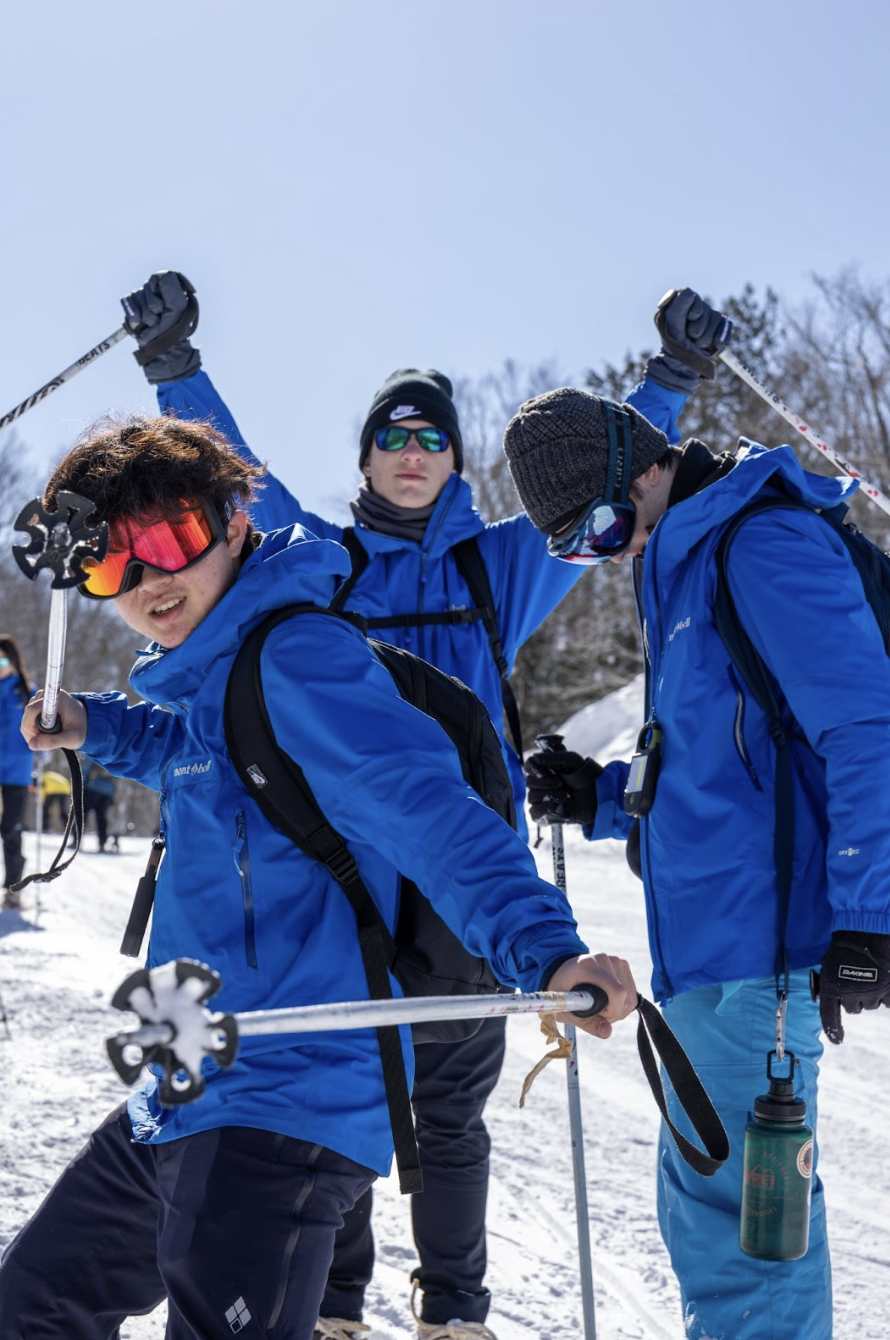
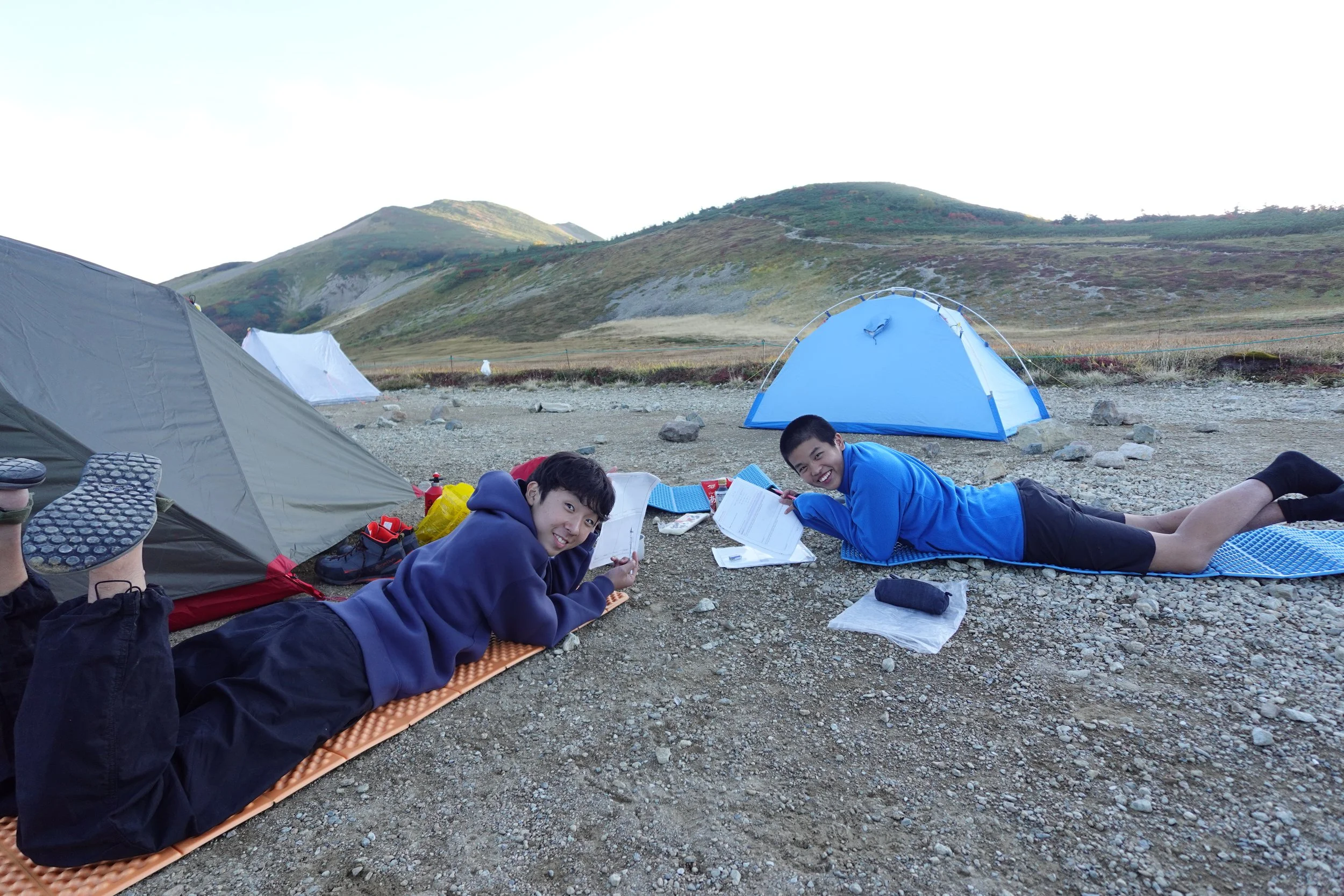
At HIS, all students take part in camps and excursions, starting each year with a camping trip to build advisory connections and a sense of shared adventure. Seasonal trips throughout the year deepen relationships, connect learning to real-world experiences, and allow students to explore new outdoor skills.
Language
Our primary language of instruction is English.
Language acquisition is key to helping students connect, engage, and thrive. While English is our primary language of instruction, all students study Japanese at a level suited to their abilities—ranging from beginners to native speakers—throughout middle school and for at least one year in the upper school.
Human Flourishing Curriculum
We believe education should support more than academics—it should help students thrive as whole human beings.
Our Human Flourishing Curriculum blends rigorous university-prep academics with research-based approaches from organizations like the Compassionate Systems Framework at MIT, the Center for Healthy Minds, the World Economic Forum, and others. By developing self-awareness, collaboration, and care for the world around them, HIS students gain both deeper academic understanding and the leadership skills to make a positive impact.
-
The Human Flourishing Curriculum is based on our driving question as a school: what kind of education enables people and planet to flourish?
The first response to this question, we believe, is about the design and values of our community. We aspire to create a developmental community, one which models our values daily in how we communicate, live, learn, and make decisions together.
Within this community, we organize our curriculum into three areas of learning:
Foundational Literacies: Including a sequence of development in Literacy, Numeracy, Scientific Literacy, ICT Literacy, Financial Literacy, Cultural & Civic Literacy, Physical (Body) Literacy, and Artistic Literacy.
Competencies: These include Critical Thinking & Problem Solving, Creativity, Communication, Collaboration, and Systems Thinking.
Mindsets: These include Curiosity, Initiative, Adaptability, Social & Cultural Awareness, Resilience, Outlook, Focused Attention, and Generosity.
These areas of learning are presented through innovative, research-supported learning methods, including project-based learning, social-emotional learning, and a strong outdoor education program.
Finally, we use the HIS Learning Passport for students to document their progress and the feedback received as they grow in each of these areas.
Graduation Requirements
Upper School Graduation Requirements (Grades 10 - 12)
HIS requires a minimum of 42 academic credits for graduation. One credit is equivalent to one class for one trimester. Graduation requirements include the following:
English (9 credits)
Social Science (6 credits)
Mathematics (6 credits)
Science (6 credits)
World Languages (6 credits)
Physical Education (3 credits)
Arts/ Computing, Innovation & Design (3 credits)
Electives (3 credits)
-
Three academic trimesters: Fall, Winter, Spring
Academic classes are held four days a week, with six courses a day. The fifth day, off-campus projects and applied learning experiences occur.
All courses are college-prep. HIS does not offer Honors.
AP offerings include Pre-Calculus, Calculus AB/BC, Seminar, Research, Macro-Economics, Micro-Economics, and Japanese.
-
Hakuba International School does not provide a class rank
GPAs on Hakuba International School Transcripts are unweighted and noted as cumulative and yearly.
Each trimester of a course is considered a unit in itself, and full year classes are passed based on the yearly average.
Academic work completed through an accredited outside program receives credit as pass/fail.
-
The HIS Mastery Competency Architecture has three domains of learning: flourishing, communication, and making ideas into reality.
Each includes Foundational competencies (that all students master) and Advanced competencies (that students master selectively based on their interests).