
How Can I Contribute?
In the first half of the term, students designed projects that served the broader community. Their work ranged from planning a school library to raising awareness about climate change to teaching English and Art at the local elementary school. Students then learned how to plan, design, revise, and carry out their ideas in preparation for creating their own scientific experiments for the greater good during the second half of the term.
As their science experiments began, the humanities portion of the project focused on human behavior. Students examined famous studies such as the Milgram Experiment and the Stanford Prison Experiment, and they deepened their analytical skills through a historical study of the Holocaust and Night by Nobel Peace Prize winner Elie Wiesel. Using this foundation, students created original experiments, documented their findings, and wrote lab reports based on their collected data. They also strengthened their persuasive speaking and writing skills by presenting both their research and their conclusions about human behavior to their peers.
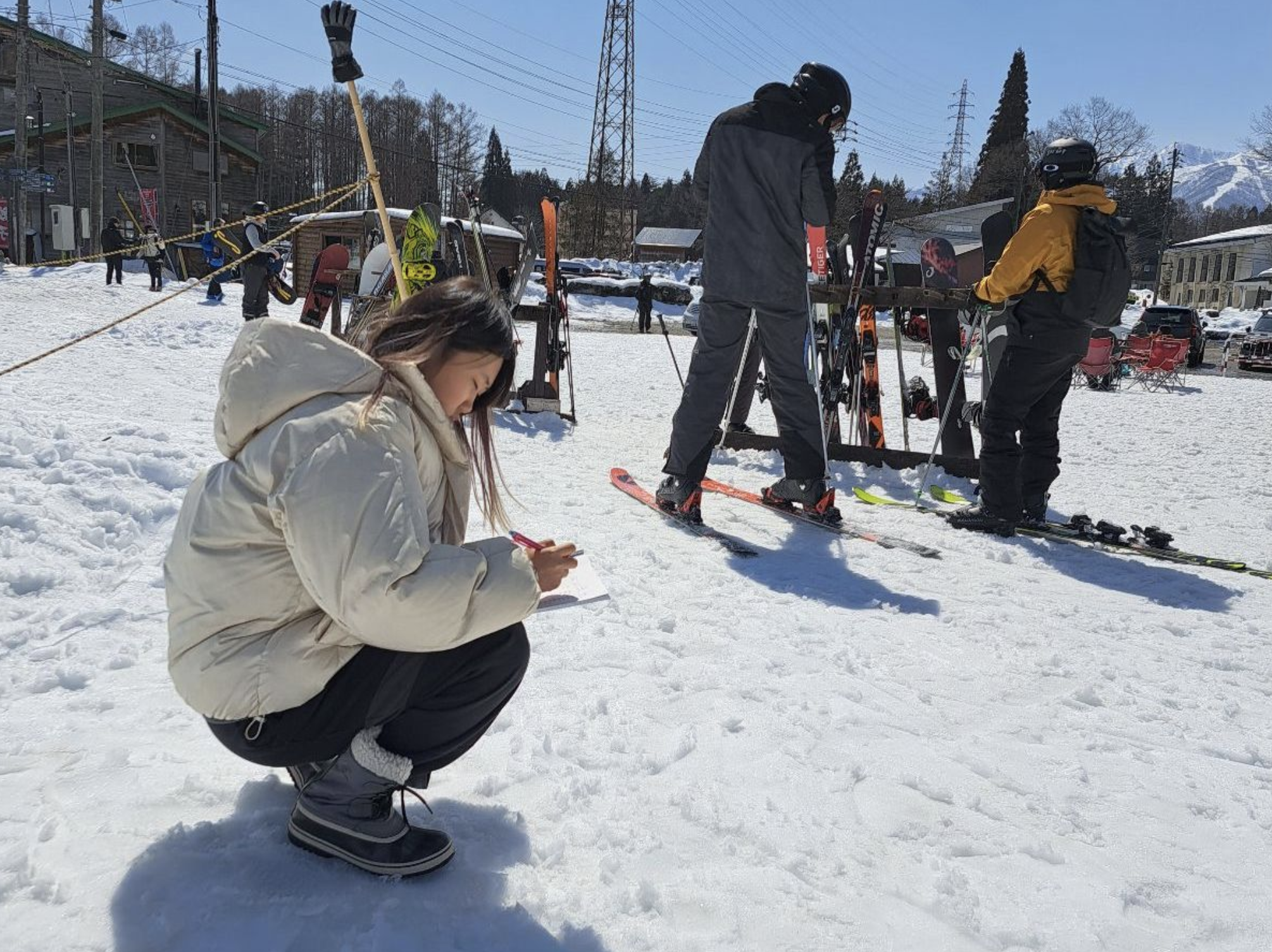
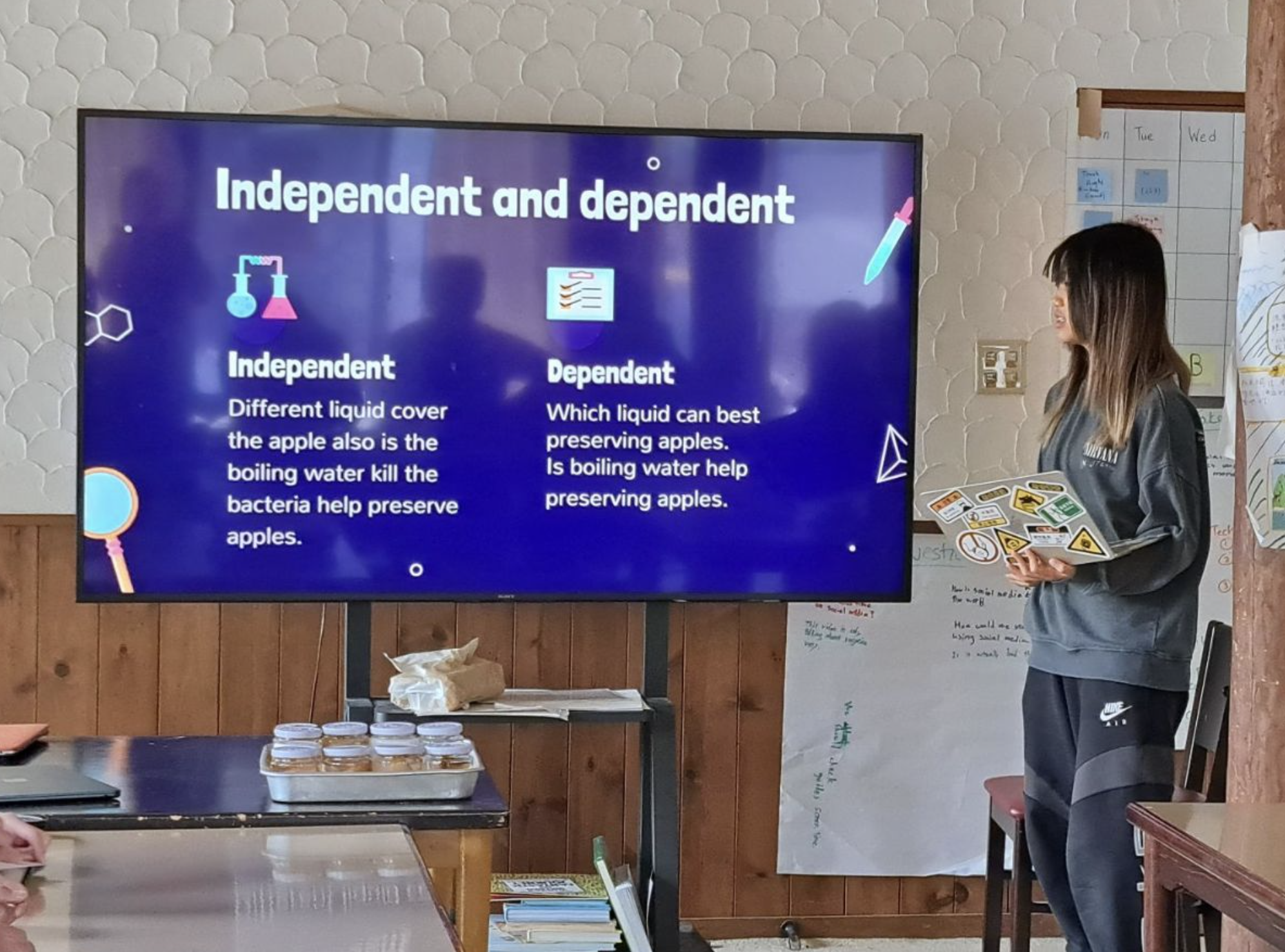
Students learned how to observe and collect data to improve the scientific methods they use in their experiments, and how to apply their observations and data to help clients improve operations, marketing, or customer experience.