
Outdoor Learning
Our Outdoor Ethos
At HIS, nature is our first teacher. From daily time in the local forests to extended expeditions into the mountains and along the rivers, exploring the outdoors is woven into everything our students learn.

Outdoor Education & Learning Program
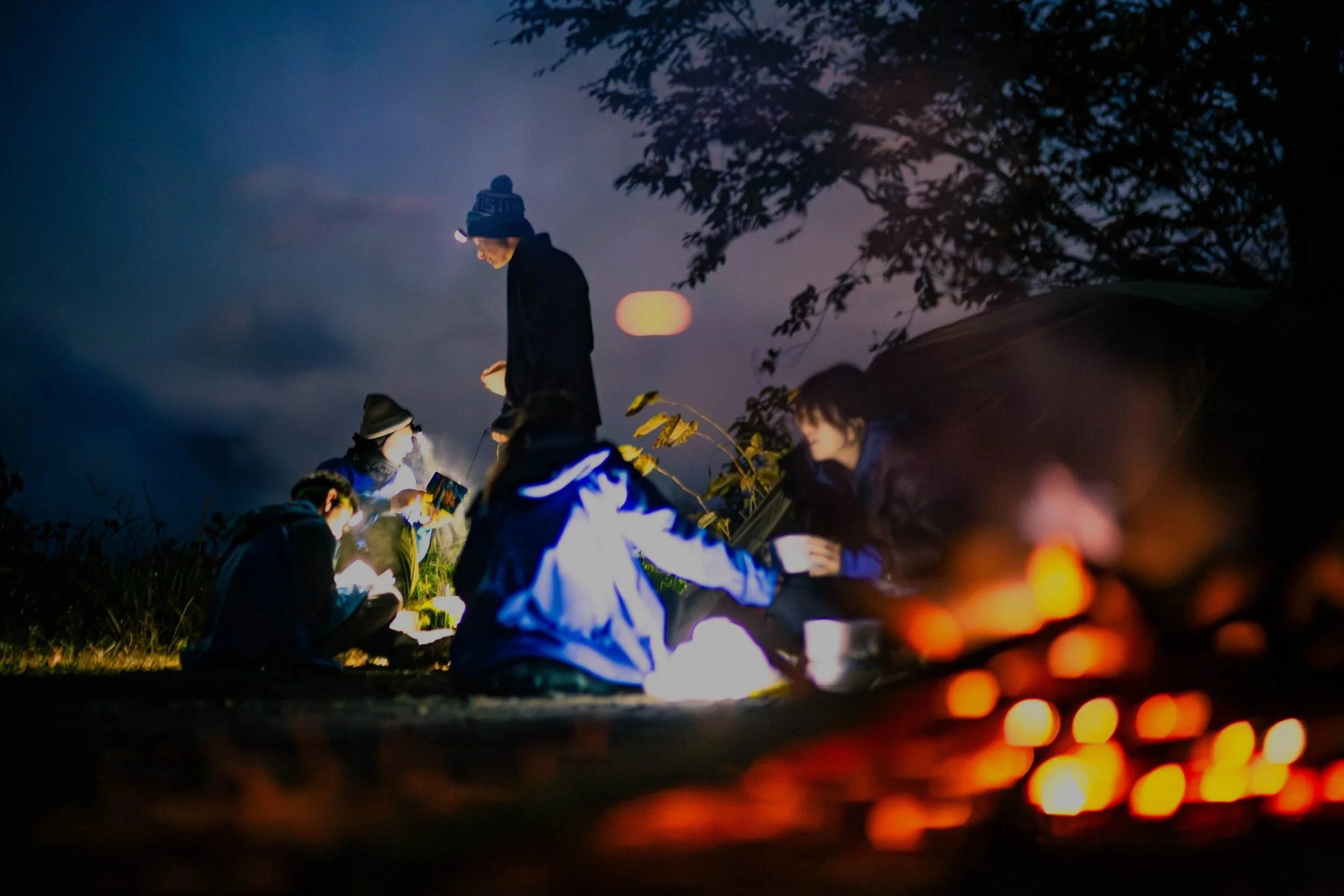
During their time at HIS, all students participate in mandatory camps and excursions. Each year, we begin with a camping trip, a time for students to discover or reconnect with their advisory groups and to form or renew bonds within a sense of shared adventure.
Throughout the year, additional trips at each season deepen our connections to each other and the natural world and offer countless opportunities to connect our academic learning to real-world experiences. This is also a chance for students to spend time in outdoor activities they wish to try or activities they wish to master. Beyond week-long trips, we will also regularly spend time in the wilderness through optional weekend excursions and Wednesday afternoon outings.
Through these experiences, we aim to develop students’ wilderness skills, eventually offering them opportunities to begin leading elements of the trip and training younger students. Peer mentoring is an essential part of growth as a learner, and Outdoor Education is an excellent opportunity for the students to share their learning with their peers.
Discover Our Camps
Advisory Camp
-
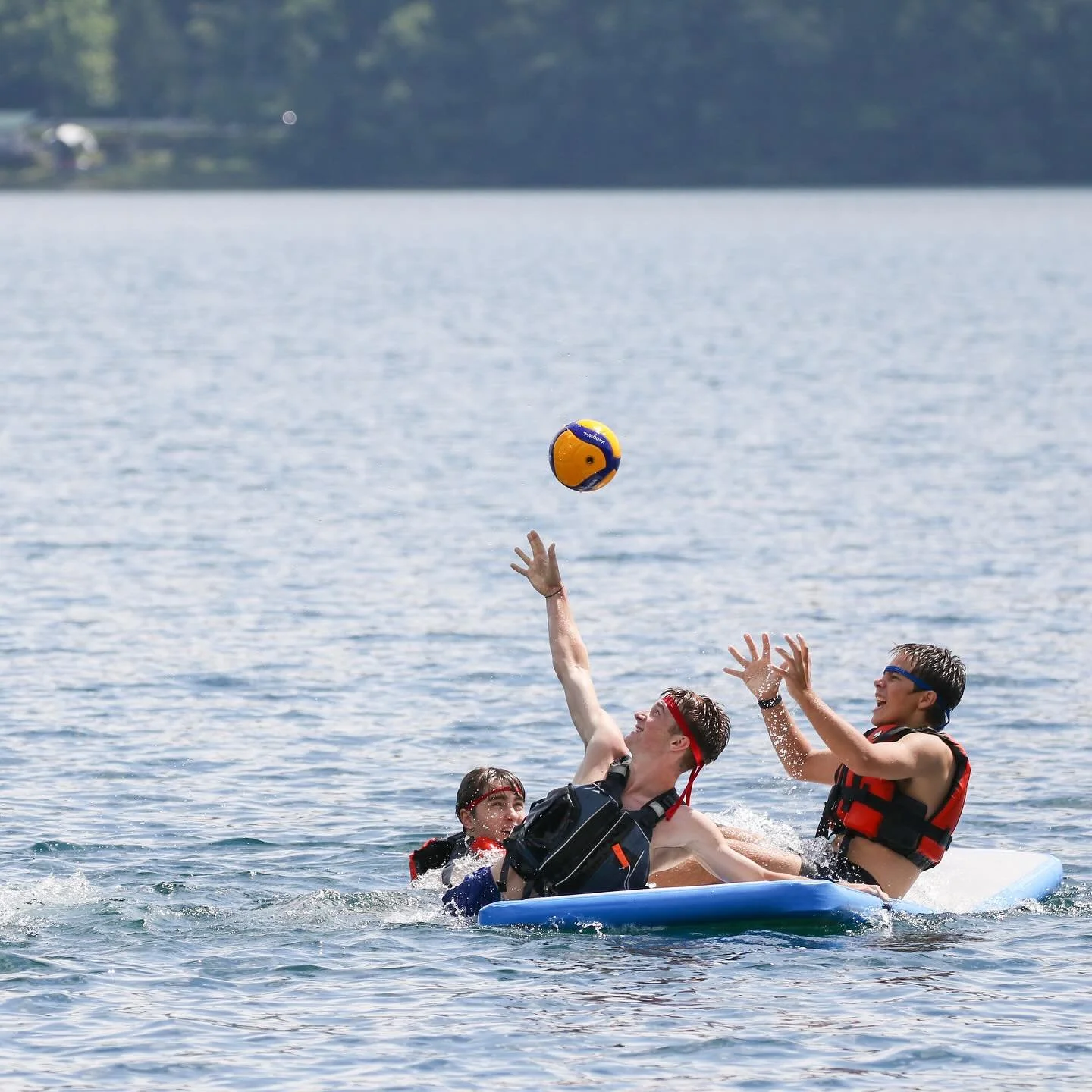
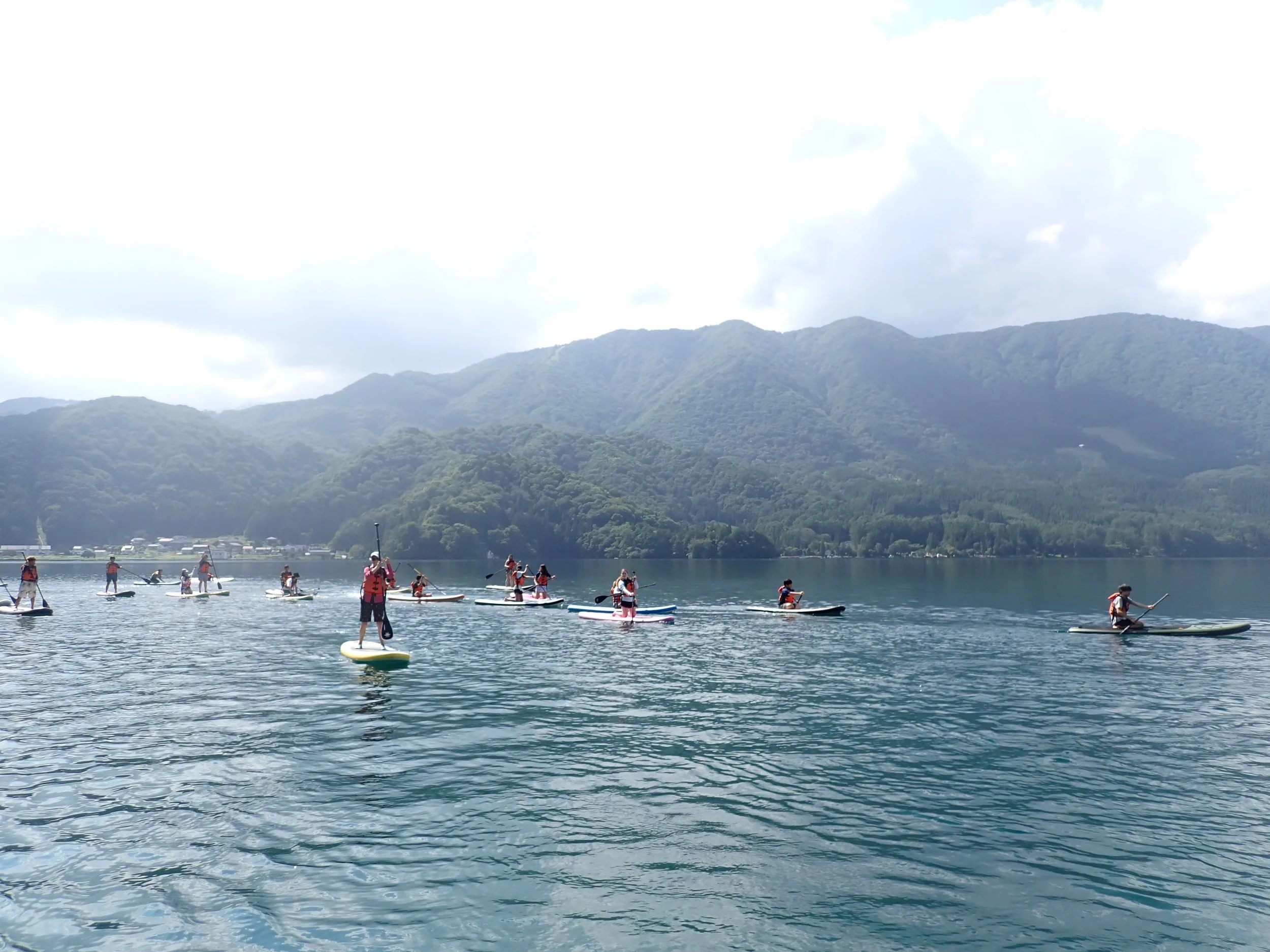
At HIS, every student belongs to a small advisory group led by a dedicated Guide who meets with them daily and supports their academic and social-emotional growth throughout the year. Every year, all groups came together at Advisory Camp for a memorable few days at Lake Aokiko. From paddle boarding and swimming to late-night chats and laughter around the card table, Advisory Camp helps build the friendships and trust that will carry us through the year.
Autumn Camp
-
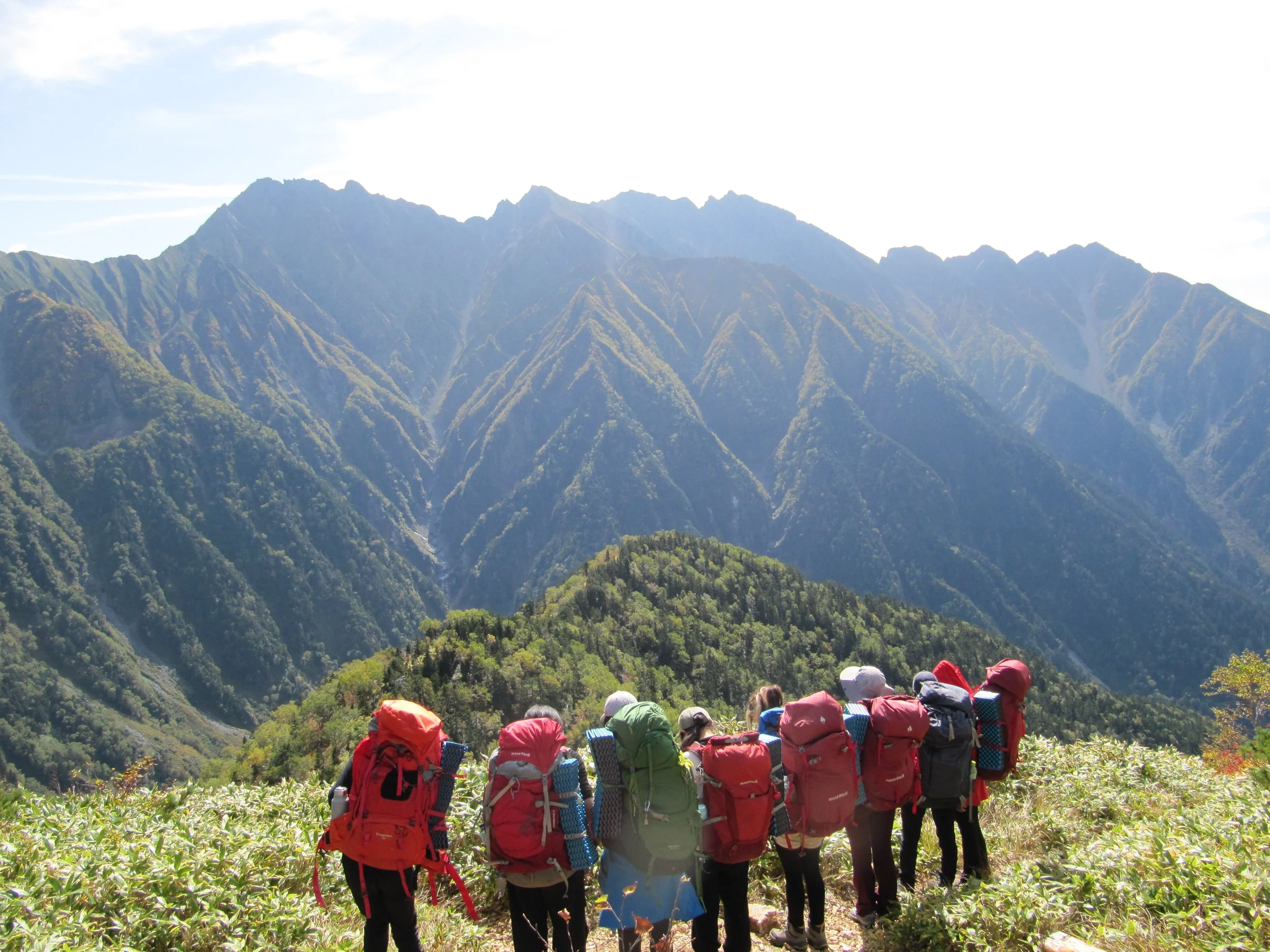
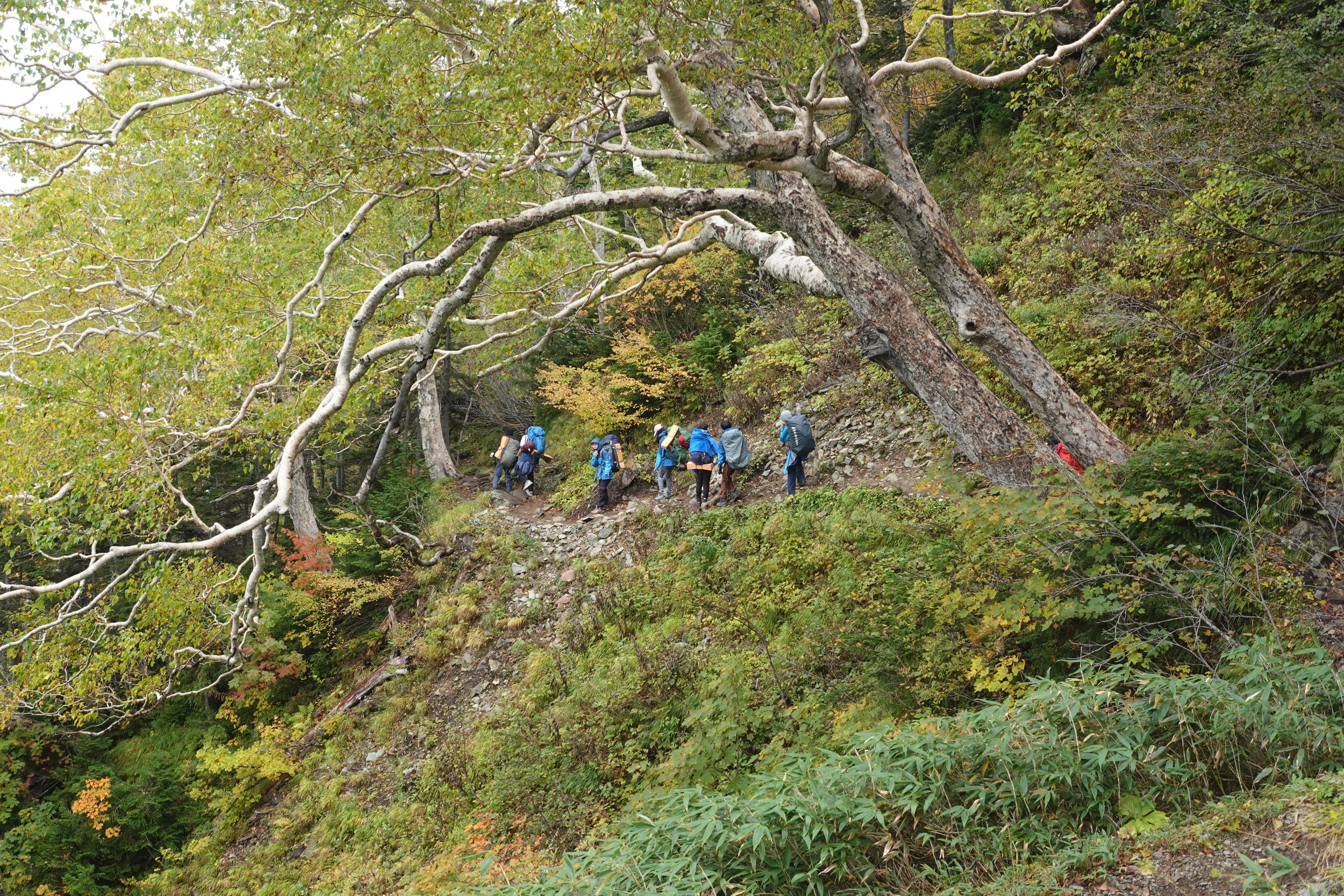
Each autumn, students head out across Nagano and Gifu for a week of challenge and adventure in the outdoors. Every grade travels with a purpose—whether it’s learning how to hike and camp, pushing to new high routes, or beginning to take more ownership of trip decisions.
From long days on the Shio no Michi trail to big climbs in Hakuba’s backcountry and even multi-day river travel, students support each other through tough moments and celebrate small wins along the way. It’s a week that builds confidence, resilience, and friendships—memories that always feel a little bigger and sweeter once everyone is back home.
Winter Camp
-
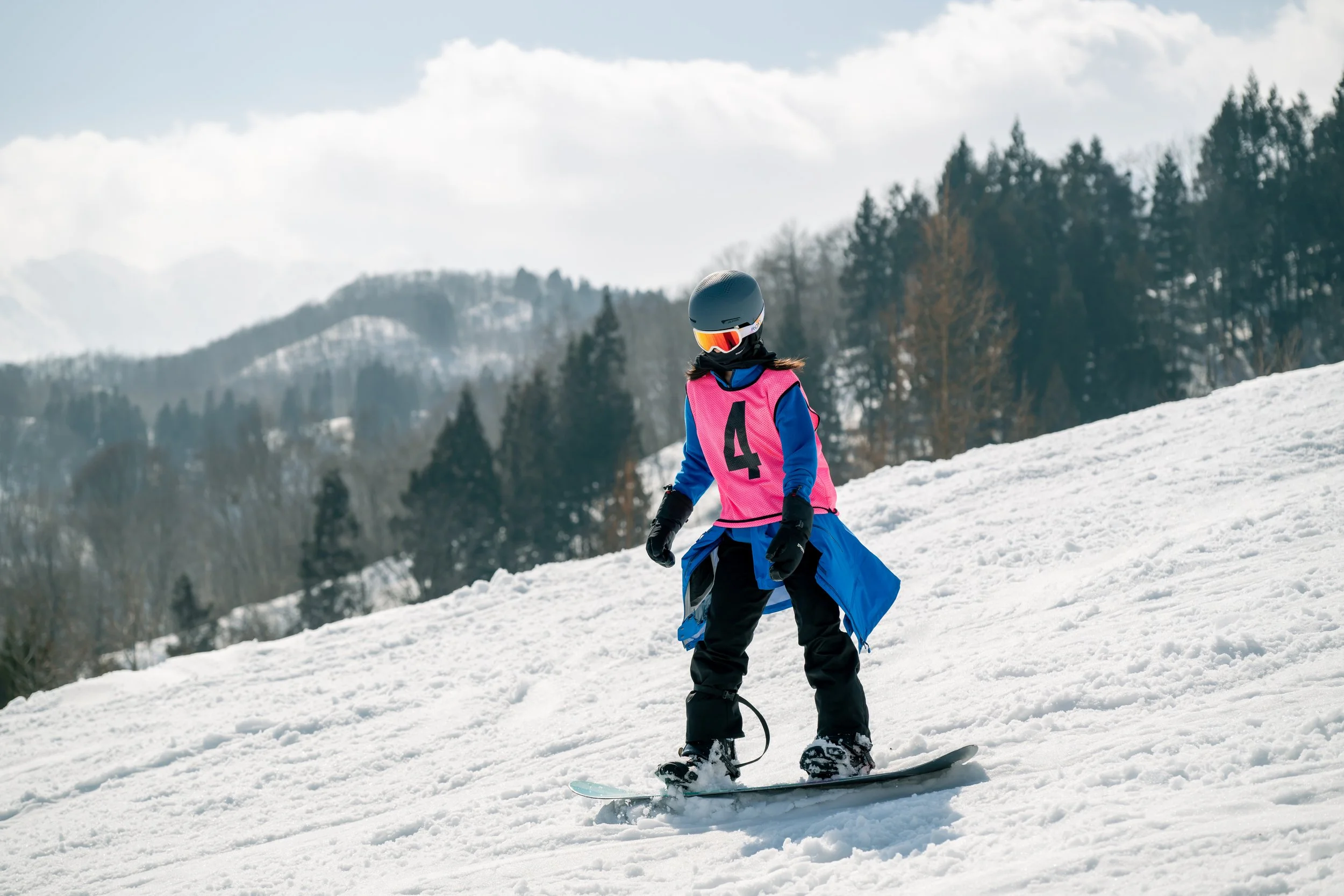
Winter Camp is our chance to step out of routine and into the snow: skiing, snowshoeing, and learning together in the mountains. Students take on new challenges each year, from carving fresh turns and exploring backcountry terrain to digging and sleeping in their own snow caves.
What stands out most isn’t just the skiing, but the small moments: pausing on a ridge, noticing the landscape in a new way, or realizing how far they’ve come. With a wide range of activities and a skilled team guiding them, students push their limits, support each other, and find their own “wow” moments—big and small—along the way.
Experience Japan Camp
-
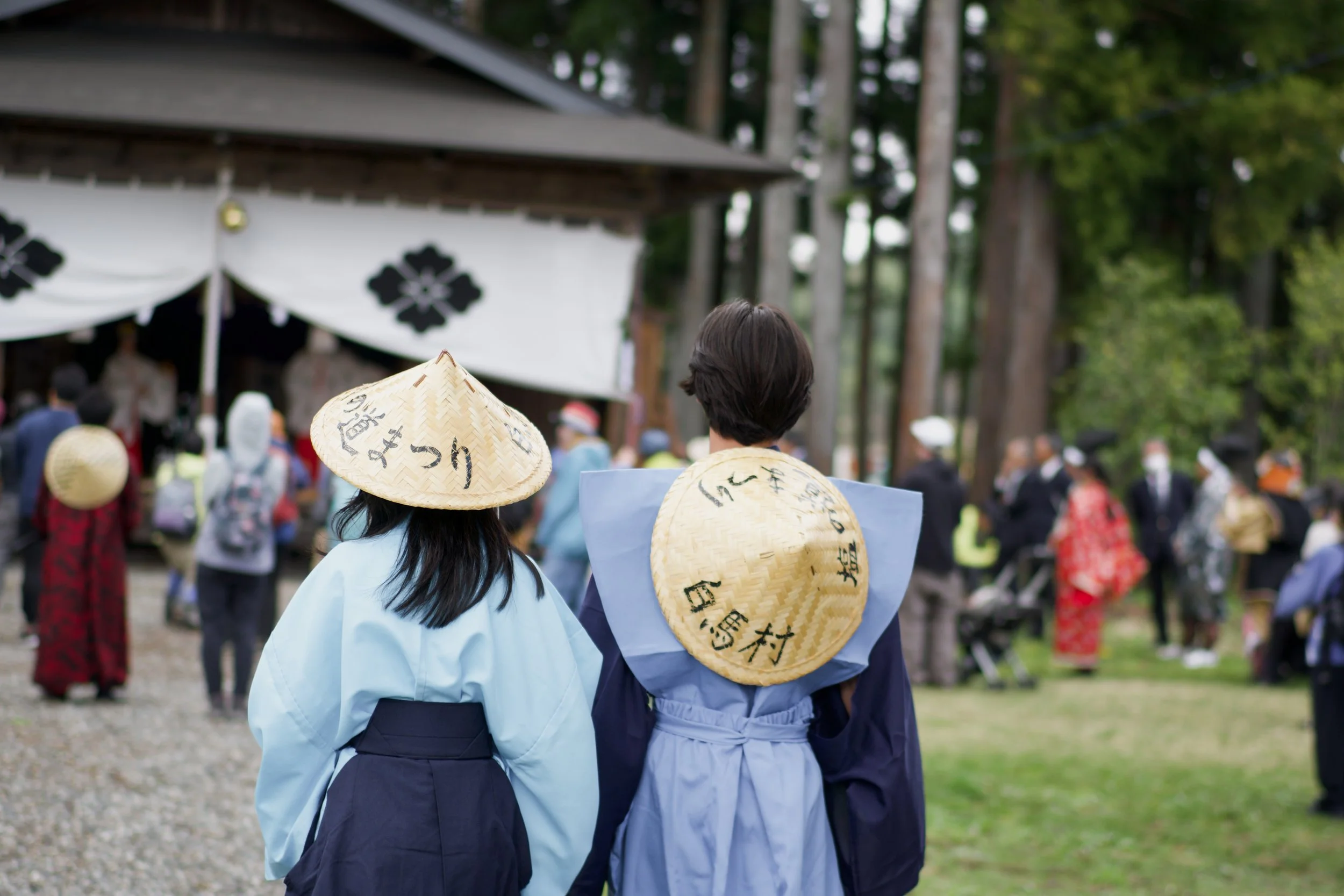
Each spring, students head out across Japan to explore new regions and deepen their understanding of the country’s culture, history, and environment. Each grade travels a bit farther—Grades 7–8 stay within one prefecture of Nagano, Grades 9–10 go two prefectures away, and Grades 11–12 journey even farther to discover new parts of Japan.
The focus is on learning by doing: visiting historic landmarks, exploring local neighborhoods, engaging with science and innovation, and experiencing the traditions, food, and everyday life of different prefectures. Whether it’s walking through ancient temples, seeing rare marine life, learning about regional industries, or navigating busy urban districts, students gain a richer sense of Japan’s diversity and their place within it.
End of Year Camp
-
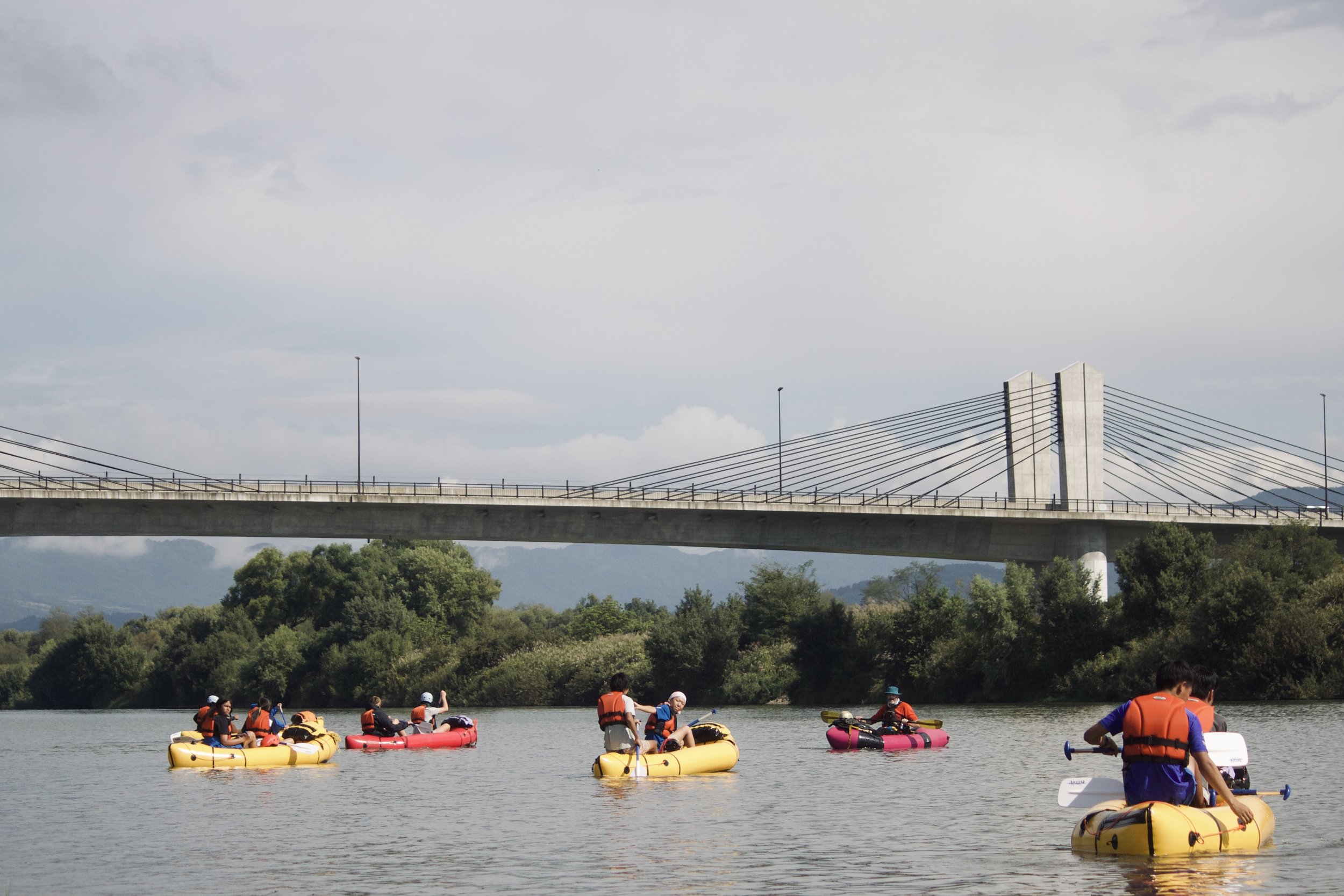
End-of-Year Camp brings each grade out into nature for a final challenge—one that asks them to apply the skills, teamwork, and independence they’ve built throughout the year. Each group explores a different landscape, from rivers and forests to coastlines and islands, with the difficulty growing as they move through the grades.
Whether it’s packrafting down the Chikuma, trekking the Shin-Etsu Trail, or exploring the wild coastlines of Sado Island, students step outside their comfort zones, learn new travel skills, and discover the landscapes that shape our region. Even when plans shift—weather changes, routes adjust, or conditions surprise us—the learning continues.
Ecological & systems thinking
Beyond the connection discovered through outdoor expeditions, we also weave the idea of ecological or systems thinking into our academic program. Members of our team are trained in the Compassionate Systems Framework developed at the Massachusetts Institute of Technology (MIT) in the US. This approach teaches us, and thereby enables us to teach our students, to see that real-world problems and opportunities are usually not linear, but rather are complex systems in which one action creates many ripple effects. We believe that teaching systems thinking is fundamental for advanced critical thinking, that it is taught best through the study of nature, and that it is an essential tool for young people to become capable of making wise decisions about our planet.



As Einstein once said, we cannot solve our problems with the thinking we used when we created them. If linear thinking got us into a climate crisis, we believe that a deep connection with nature, together with the ability to understand how ecologies and systems evolve, will be needed to get us out of this crisis and into a better relationship with our planet.
At HIS, the students learn the concept of systems thinking as well as the skills to work effectively with uncertainty and complexity. Together, we will shift our mindsets so we can envision and create a world where we live in harmony with nature, celebrate biodiversity, and enjoy a greener and more equitable world.