
Social-Emotional Learning
What is Social-Emotional Learning?
Social-Emotional Learning, or SEL, is a foundational element of our school. SEL refers to the belief that how we manage our inner lives, such as our emotions and assumptions, together with how we manage our relationships with others, is essential to our success in school and in adulthood. The term may be new, but we believe these ideas have always defined the best schools.
In the past twenty years, a great deal of research has been conducted on what happens when students are taught social-emotional skills, such as being able to label and communicate about their emotions, practice conflict resolution, improve their focus on goals, and much more. In study after study, results show that young people offered SEL become happier and less anxious. Their test scores increase. They report better social lives. They show greater connectedness to school. The list goes on. Other research shows that these benefits persist into adulthood, with lower rates of mental health disorders and strong correlations with career success.
For all these reasons, and because we see SEL as fundamental to developing whole people, it is a core element of our school design. We integrate the five elements of SEL throughout the school: Self Awareness, Self Management, Social Awareness, Relationship Skills, and Responsible Decision Making. Students will see this in Advisory, in projects, on the sports field and in outdoor expeditions. These methods are a key for our school to build a nurturing and positive community.
Social-Emotional Learning at HIS
Some of the most exciting research in education today focuses on social and emotional intelligence: what it is and how to develop it. Two findings stand out. First, these skills are fundamental to lifelong success, shaping both our happiness and our careers. Second, they can be taught. That means designing a school with social-emotional learning at its core, where academic success is built on a foundation of personal wellbeing.
At HIS, SEL is central to our school design, grounded in this research and in our commitment to teaching the whole child. Everything we do integrates the five core SEL competencies:
Self-Awareness
Self-Management
Social Awareness
Relationship Skills
Responsible Decision-Making
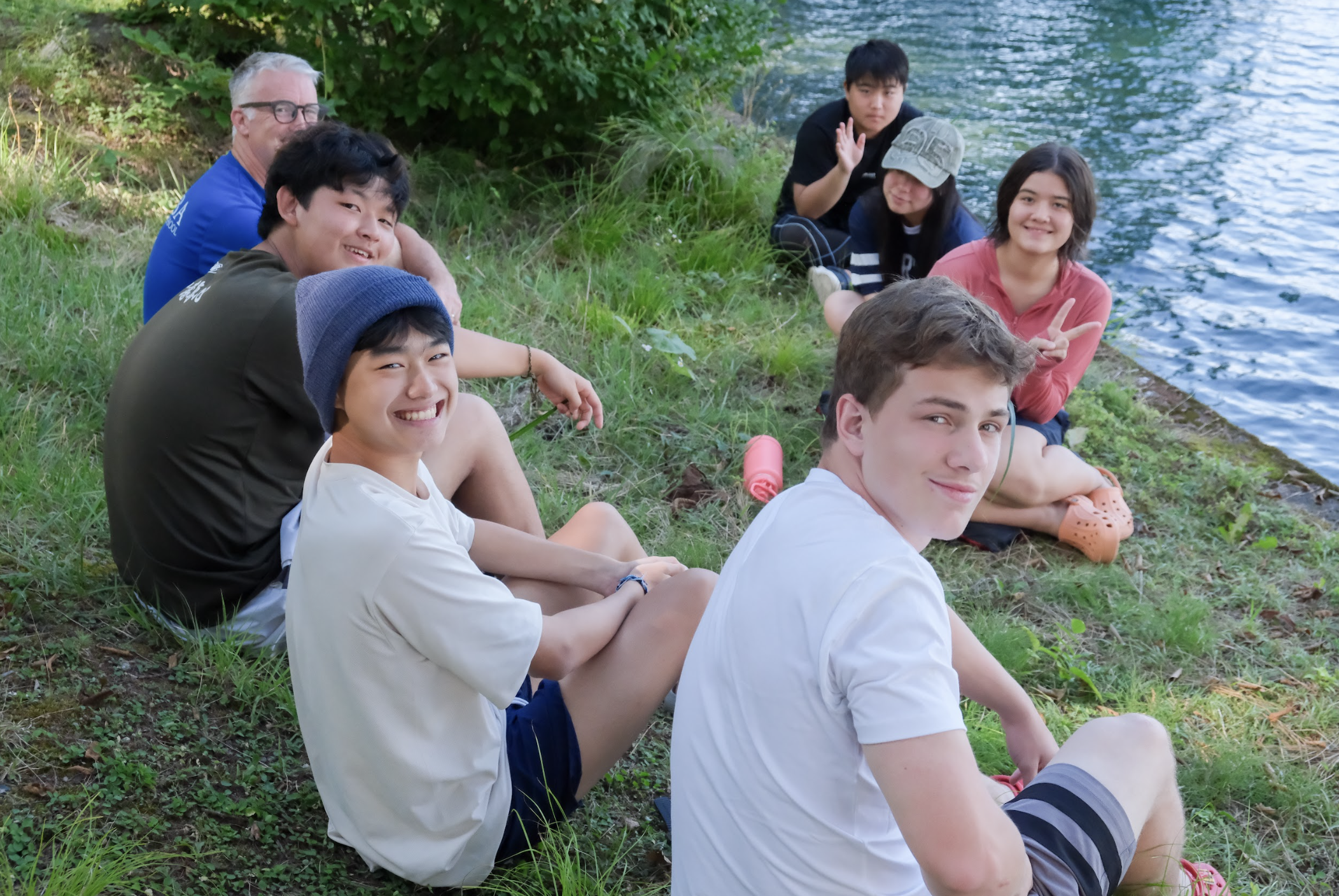
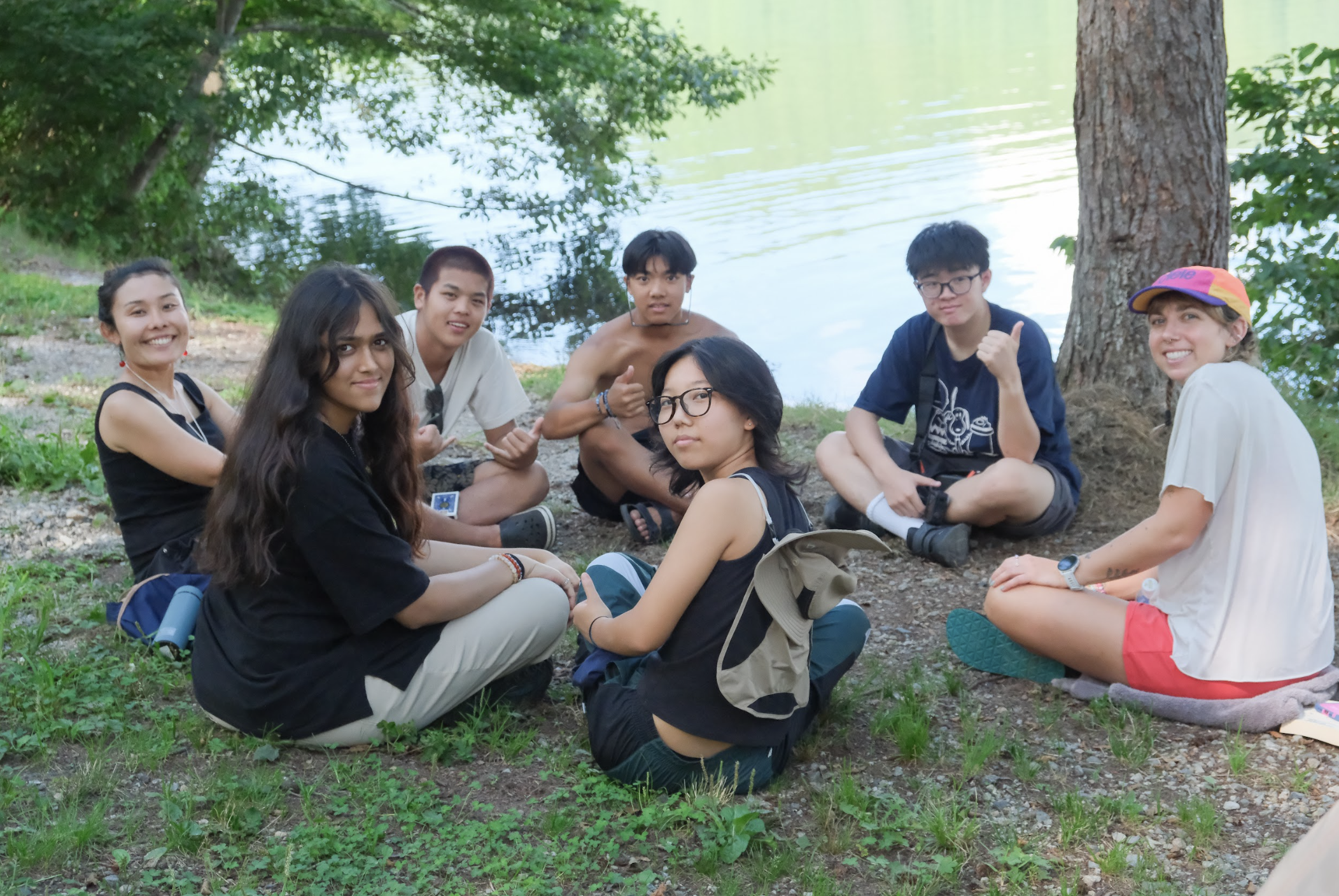
Students build these skills through their projects, on the sports field, during outdoor expeditions, while working through personal challenges, and in regular sessions with their Advisory group. Together, these experiences help create a nurturing, supportive community where SEL shapes every part of school life.
-
Advisory is a personalized, relationship-centered space where students feel known, supported, and connected. Each advisory group includes 5–10 students with one or two faculty advisors, creating a safe environment for honest conversation, social-emotional skill-building, and the development of meaningful peer and adult relationships.
Advisory responds directly to student needs, helping turn everyday challenges into opportunities for learning and growth. The program is guided by Co-Principal Chris Balme, an internationally recognized expert in advisory practices, who provides specialized training to HIS faculty to ensure that advisory remains a strong, supportive, and consistent part of each student’s experience.
-
Beyond Advisory, students at HIS benefit from strong social–emotional support within residential life. Each dorm is overseen by dedicated House Parents who help guide students through the daily ups and downs of living away from home. When students face personal, social, or emotional challenges, House Parents are often their first point of contact, providing steady, compassionate support.
For more complex needs, the school counselor partners with House Parents and faculty to ensure students receive appropriate care. Across the dorms and the school day, HIS works to normalize the reality that emotional highs and lows are part of being human. Our residential life and advisory programs are aligned to help students understand, manage, and express their emotions in healthy and constructive ways.
-
While advising and the advisor relationship is one of the central expressions of SEL support, we also offer counseling with a licensed counselor. All students are invited to meet at least once per year with the counselor to build a trusting relationship, and for those experiencing difficulties, meetings on a weekly, bi-weekly, or monthly basis are arranged.